Direction is a monthly piece on where search is heading, what the evidence says, and how my previous calls have turned out. Old calls are scored in public, including the wrong ones.
One argument a month about where search is heading, with the evidence it rests on and the parts that are guesswork clearly marked as guesswork. It is the only stream here that is openly opinion, which is why it carries the strictest rules.
What each issue covers
The argument, stated in the first paragraph rather than built up to.
The evidence, with sources and dates, separated into what is confirmed, what is observed in my own data, and what is inference.
What could happen, and the conditions under which it would.
What is uncertain, which is usually the longest section and always present.
How a small business should prepare, or, more often, why doing nothing yet is the right call.
Where my previous calls landed. Every issue scores an earlier one. Right, wrong, or too early to tell.
Why the scoring section exists
Anyone can publish predictions. Almost nobody goes back and marks them.
A stream that never revisits its own calls is entertainment. Scoring them is uncomfortable, occasionally embarrassing, and the only thing that makes the next prediction worth reading. Where a call was wrong, the issue says so plainly and tries to work out why, rather than quietly reframing it as half right.
How it’s written
The argument is falsifiable. If nothing could prove it wrong, it isn’t a prediction, it’s a mood.
No timescales I can’t defend. “Within eighteen months” needs a reason, not a feeling.
Opinion is labelled as opinion. The whole stream is a view, and the individual claims inside it still get marked.
Who it’s for
People making decisions that take more than a quarter to play out: whether to invest in a content programme, whether to rebuild a site, whether AI search changes the plan. If you want this week’s news, the weekly roundup is the better read.
The archive
The first issue of this series is being written and will appear here. In the meantime, here is the most recent writing.
 SEO4 Nov 2026
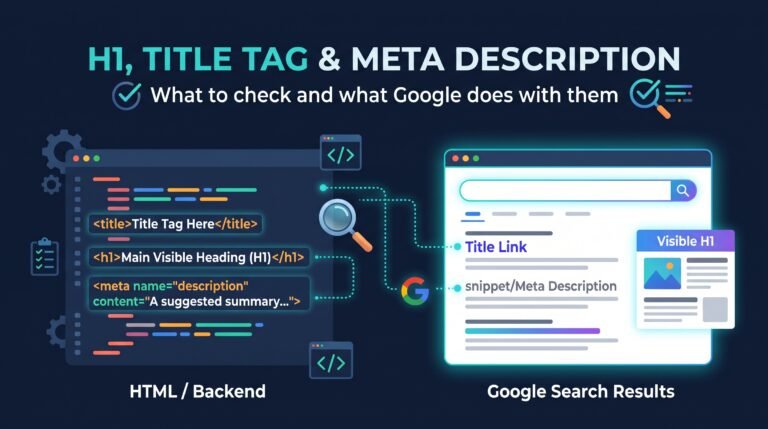
H1s, title tags and meta descriptions: what to check and what Google does with them
How the title tag, H1 and meta description differ, why Google rewrites them, and a practical check for duplicates, missing tags and template faults.
 SEO2 Nov 2026
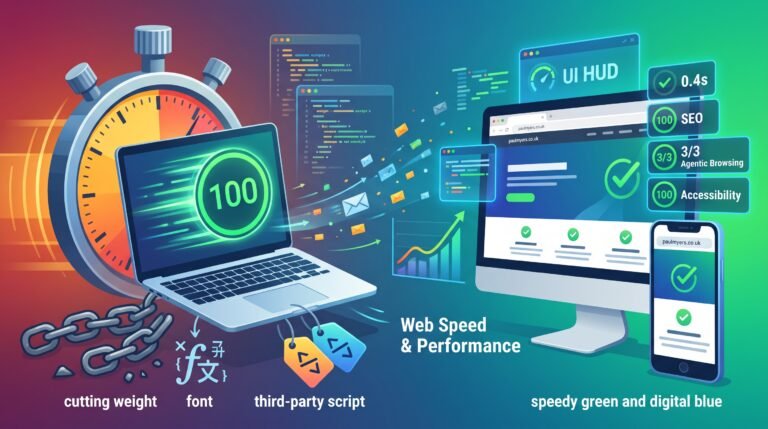
Is your website too slow? What I did to my own site, and how to check yours
What Google says about site speed, what I changed on my own site to reach 100 on PageSpeed Insights, what the scores don't show, and how…
 SEO2 Nov 2026
Enquiries are down but traffic looks fine: where to look
Fewer enquiries but steady traffic? Check the contact route, who is visiting, the results page and your tracking, in the order I would.
 SEO31 Oct 2026
Traffic dropped after a Google update: what to check, and what an update can’t prove
Traffic fell around a Google update? How to test whether the update is a credible cause, what else to rule out, and what an update can't…
 SEO30 Oct 2026
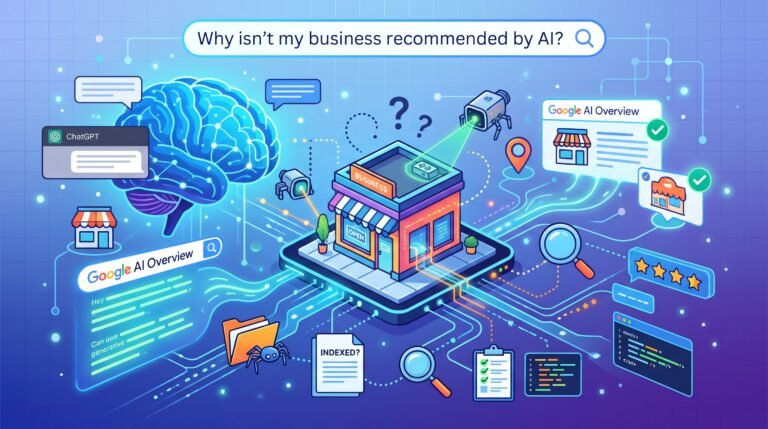
Why isn’t my business recommended by ChatGPT or Google’s AI Overviews?
Why your business isn't named by ChatGPT or Google AI Overviews: indexing, blocking, unclear answers, vague business facts, and how to test it.
 SEO29 Oct 2026
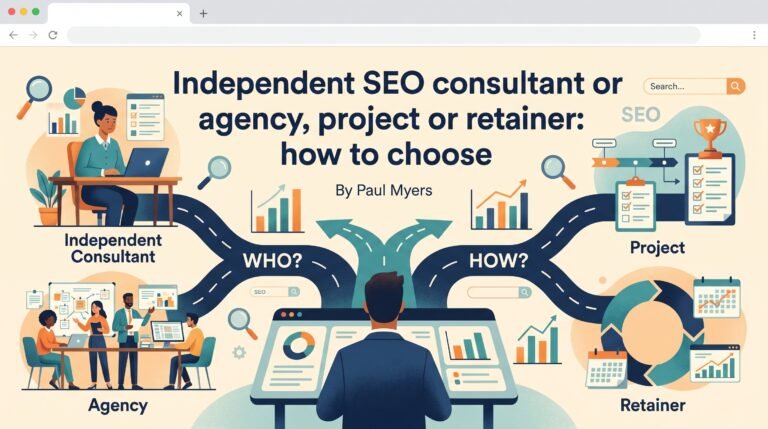
Independent SEO consultant or agency, project or retainer: how to choose
Choosing between an independent SEO consultant and an agency, and between a project and a retainer: when each suits, and what to ask.
The other regulars
State of Search runs weekly, Content Marketing fortnightly, State of AI monthly, and the tests publish a prediction before each result for much the same reason this stream scores itself. Everything sits on the writing page.